Electrician Apprentice HQ #1 Online Resource For Becoming An Electrician

Last updated on October 22nd, 2026.
In the March edition of Popular Mechanics there’s a special report for those looking to join the skilled trades. It’s titled, “How To Become A Skilled Tradesperson.”
The report gives the trades some needed attention. That is encouraging given the shortage of licensed tradesmen.
The shortage affects workers and the people who need their services.
Lack of Licensed Tradesmen
When there’s a lack of licensed tradesmen in the labor force two major things happen:
1. Unlicensed and unqualified people are hired to complete jobs they have no business working on
2. Licensed and qualified tradesmen are sought after and paid higher wages due to the laws of supply and demand.
Higher wages benefit those of us who are licensed, but the shortage creates problems for others.
People hiring tradesmen can struggle to find qualified workers.
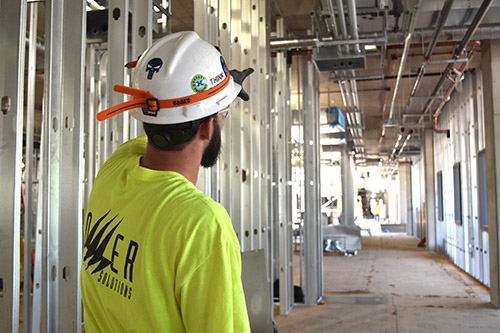
Construction jobs, new homes being built, and water treatment plants can stall when licensed electricians are in short supply. Our economy relies on electricians to build infrastructure and power the growing data center market nationwide.
Where you live affects the obstacles you may face when entering the electrical trade.
In areas dominated by electrical union, apprenticeship caps can mean longer waits to start training. Areas with a strong non-union presence often make entry easier for newcomers.
Waiting to join an apprenticeship can be preferable to taking on student debt. According to the National Center for Education Statistics, “between 2006–07 and 2016–17, prices for undergraduate tuition, fees, room, and board at public institutions rose 31 percent, and prices at private nonprofit institutions rose 24 percent.”
That’s an increase from $18,000 to $26,000 in a decade.
Think Long-Term Finances
My five-year apprenticeship cost just over $3,000, covering books and tools plus gear. The bulk was for textbooks at each school year‘s outset, with the remainder invested in quality tools and durable workwear.
Compare $72,000 to $104,000 over four years, with debt after graduation, against $3,000 over five years. Consider what each cost would mean for your finances.